Posts

Showing posts with the label Growth

China's Industrial Profits Decline: A Deep Dive into the Implications for the Chinese and Global Economy

Image
  The Chinese economy, long considered a bellwether for global economic health, continues to grapple with headwinds as industrial profits decline. Official data revealed that in November, industrial profits fell at a slower pace compared to previous months. However, the broader context remains concerning, with 2023 poised to register the steepest annual decline in industrial earnings in over two decades. This development underscores a persistent malaise in domestic consumption and raises critical questions about the ripple effects on the Chinese and global economies. Industrial profits are a critical metric for assessing the financial health of a country’s manufacturing and production sectors. In China, these profits encompass a wide range of industries, from heavy machinery and automotive production to consumer goods. The slower decline in November’s profits may appear as a glimmer of hope, but it belies deeper structural issues. The annual downturn reflects not just cyclical chal...

China’s Economic Strategy for 2025: A Record 3 Trillion Yuan in Special Treasury Bonds

Image
In a bold move to revitalize its slowing economy, China plans to issue a record 3 trillion yuan ($411 billion) in special treasury bonds in 2025, according to a Reuters report. This announcement marks a significant escalation from the 1 trillion yuan issued in 2024 and underscores the urgency with which policymakers aim to tackle the challenges of sluggish growth, flagging consumption, and investment bottlenecks. This article delves into the implications, objectives, and potential outcomes of this ambitious fiscal measure while examining its broader context within China’s economic landscape. China’s economy has been grappling with headwinds stemming from multiple factors, including weakened global demand, domestic property market distress, and a decline in consumer confidence. The decision to quadruple the issuance of special treasury bonds reflects Beijing’s determination to leverage fiscal policy as a tool to stabilize and stimulate the economy. Special treasury bonds are distinct fr...

China’s Economic Growth Outlook: Navigating Opportunities and Challenges in 2024 and Beyond

Image
China, the world’s second-largest economy, is at a pivotal juncture as it navigates a complex mix of opportunities and challenges that will shape its economic trajectory in 2024 and beyond. The Chinese economy, which has long been a global powerhouse, is now facing headwinds that could alter its growth outlook. Let's analyze China’s economic growth prospects in-depth, drawing on the latest data and insights from a July 2024 economic update, alongside other contemporary sources. Current Economic Landscape China's economic performance in recent years has been marked by impressive growth rates, driven by its industrial prowess, robust infrastructure investments, and a rapidly expanding consumer market. However, 2024 presents a different scenario, characterized by slower growth, structural adjustments, and a cautious outlook. The Chinese government has set a modest GDP growth target of around 5% for the year, reflecting a shift towards more sustainable, high-quality growth rather t...

Unwinding the Yen Carry Trade: A Comprehensive Analysis of Global Market Disruptions

Image
The global financial landscape is experiencing unprecedented turbulence as the unwinding of the yen carry trade sends shockwaves through stock and bond markets. This trading strategy, once a cornerstone for global investors seeking to exploit the interest rate differentials between Japan and other major economies, is now unraveling due to a confluence of economic factors. At the heart of this turmoil is Japan's shift towards monetary tightening, characterized by rising interest rates and a volatile yen. Concurrently, the prospect of rate cuts in the United States and other major economies has added further complexity to an already precarious situation. This article delves into the intricacies of the yen carry trade, the factors leading to its unwinding, and the broader implications for global financial markets, with a particular focus on Japan. Through a detailed examination of market dynamics, investor behavior, and macroeconomic trends, we will explore the potential outcomes and ...

China’s Economic Landscape: Factory Activity Slumps and Real Estate Sector Shows Signs of Stabilization

Image
  China’s economic machinery has been a subject of global scrutiny for decades, revered for its unprecedented growth and feared for its potential disruptions. As of June, the landscape appears nuanced, marked by both challenges and subtle signs of stabilization. The manufacturing sector, once the bedrock of China's meteoric rise, contracted for the second consecutive month. In stark contrast, the beleaguered residential real estate sector exhibited a deceleration in its downturn. This duality paints a complex picture of an economy in transition, grappling with internal and external pressures while cautiously treading the path towards recovery. The Contraction in Manufacturing: Causes and Implications China’s manufacturing sector, a pivotal component of its economic engine, has long been a symbol of its industrial might. The contraction in factory activity for two consecutive months as of June sends ripples across not only the domestic landscape but also the global economic arena. T...

China's Export Surge: Navigating Domestic Challenges

Image
China has demonstrated remarkable economic resilience with a 7.6% year-on-year increase in exports, defying global expectations amidst domestic challenges. This surge not only boosts the nation’s trade surplus to $82.6 billion but also serves as a crucial counterbalance to internal economic pressures. Let's explore this in greater detail.  Domestic Challenges China’s domestic economy has been grappling with a series of challenges that have threatened to undermine its growth trajectory. Consumer spending within the country has remained tepid, a reflection of the broader uncertainties that have dampened consumer confidence. Additionally, the real estate sector, once a pillar of strength for the Chinese economy, has experienced a significant slump, further exacerbating the economic strain. Let's delve deeper into each of these factors in detail: Consumer Spending: A Reluctant Engine of Growth One of the most pressing concerns for China’s economy this year has been the reluctance o...

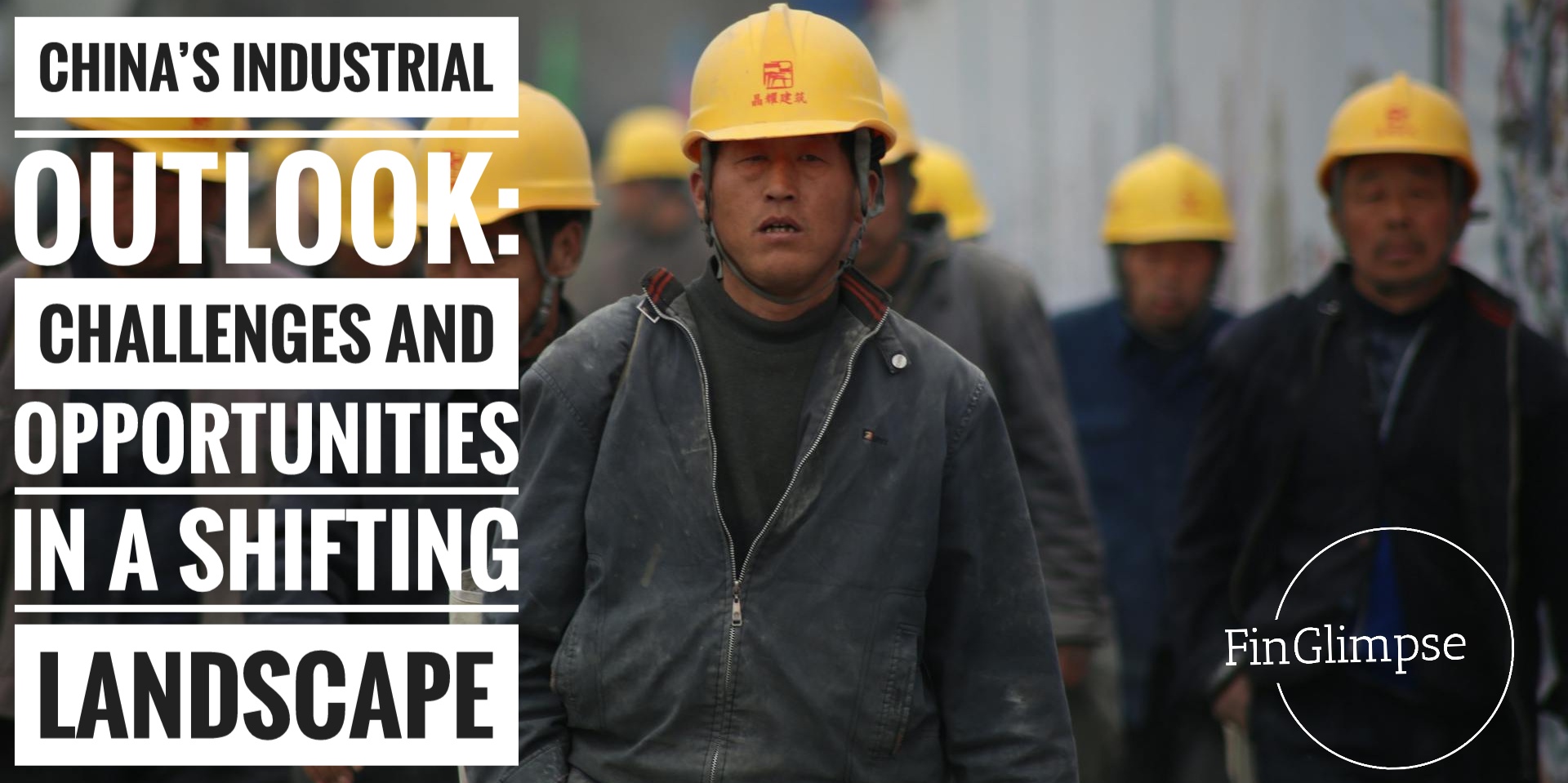
China's Industrial Outlook: Challenges and Opportunities in a Shifting Landscape

Image
China’s industrial companies have experienced a decline in profits during March, signaling a potential slowdown in the economic recovery efforts. The dip in profits has been attributed to a combination of flagging exports and persistent deflationary pressures. Export Challenges and Deflationary Pressures The Chinese export sector has encountered significant headwinds, primarily due to the changing global economic landscape. Trade tensions, particularly with key partners like the United States, have resulted in higher tariffs and disrupted trade flows, leading to a reevaluation of production and investment strategies. The COVID-19 pandemic further exacerbated these challenges, causing unprecedented supply chain disruptions and highlighting the vulnerabilities of global interdependence. Rising domestic costs are another hurdle for Chinese exporters. The cost advantage that once propelled China to the forefront of global manufacturing is eroding as labor, land, and material costs increase...